
Pohela Boishakh: The Bengali New Year Celebration
Pohela Boishakh is the first day of the Bengali new year. Pohela Boishak is celebrated in Bangladesh, as well as in West Bengal, Bihar, Assam, and Tripura in India, and by Bengalis residing all over the world.

Pohela Boishakh is the first day of the Bengali new year. It is one of the most significant cultural festivals of the Bengali people. Pohela Boishak is celebrated in Bangladesh, as well as in West Bengal, Bihar, Assam, and Tripura in India, and by Bengalis residing all over the world.
Origin and History:
The celebration of the Bengali new year began mainly during the reign of Emperor Akbar. He introduced the Bengali calendar on 10/11 March 1584 AD, and it was made effective from the time of his accession to the throne (5 November 1556 AD) with the assistance of the astronomer Amir Fathullah Shirazi. He introduced it mainly due to the ease of collecting the tax. The farmers used to pay their taxes to landlords, zamindars, and other landowners until the last day of Chaitra (the last month of the Bengali calendar). On the following day, the landlords would treat them with sweets on the occasion of the New Year, and various festivities were organized. Over time, the festival turned into a social event, and it has now evolved into its present form.
Halkhata: The main festival of Bengali New Year
Have you ever heard the word "Halkhata"? If you are a Bengali, you might know about it, but people in other parts of the world don't know about it. So, what's the relation between the Bengali New Year and Halkhata?
In the past, the main event for the new year was Halkhata, basically a new account book. The businessmen closed their old account and opened a new account book. On the occasion, businessmen welcome their customers with sweets to make a good relationship with the customers. The customers paid their debt to the shopkeepers on the Halkhata day.
Celebrations and Traditions
There are various programs that are celebrated on the first day of Boishakh. some of the major tradition include
- Boishakhi Mela (Fairs): These fairs are organized across villages, towns, and cities during the Bengali New Year. Baihakhi fairs may last for 1-3 days based on the organizing committee decisions. People of all ages are enjoying the fairs. The mela (fair) usually features traditional food stalls, handicrafts, toys, clothing, and various local products that reflect Bengali culture and heritage. Cultural programs like folk music, dance, and concerts are arranged at the fair.
- Halkhata—businessmen opened a new book. Basically, some customers took products on the due date; they didn't provide money to them in time. So, the businessmen open a new book to disclose the previous year’s transactions. On the day of Halkhata, the customers paid their dues to the businessmen, and they welcomed the customers with sweets.
- Traditional Cloth—people wear traditional cloth (girls wear sarees and boys wear lungis) on the day.
- Cultural Programs—Music, dance, poetry recitations, and folk performances are held throughout the day. Anondo Shobhajatra was also held at the Pohela Boishakh.
 Ferdous Mirza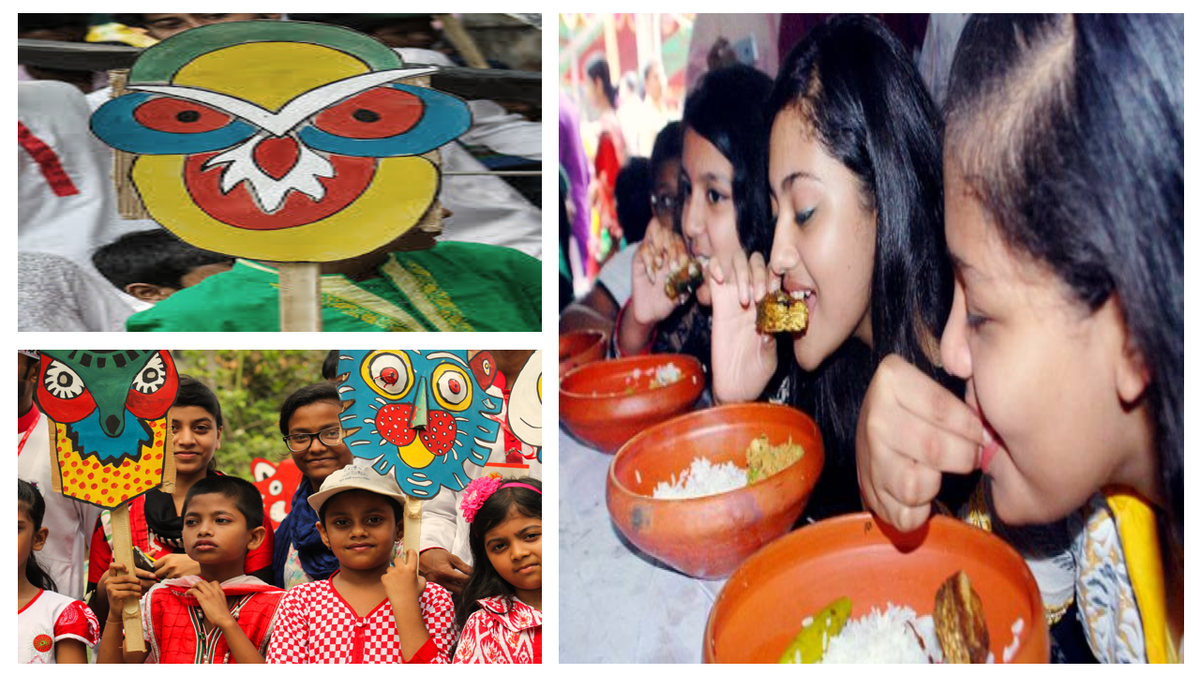
Food of Pohela Boishakh
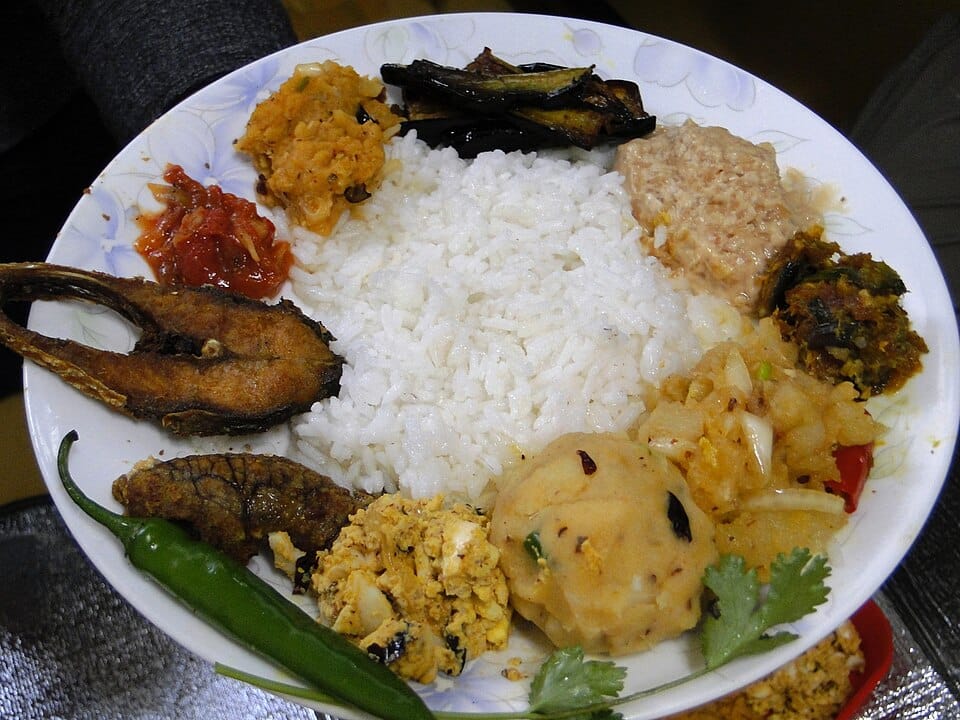
The most famous food for the pohela boishakh is "Panta Ilish." Panta is fermented rice, and Ilish is the hilsa fish. Sweet items like pitha, payesh (rice pudding), rasgulla, and mishti doi are also prepared to mark the festive spirit.

Objections from an Islamic Perspective
According to some Islamic scholars and thinkers, certain traditional practices of Pohela Boishakh conflict with Islamic beliefs. The Mangal Shobhajatra/Anondo Shobajatra, where symbolic masks and figures of animals are displayed, is contradictory to Islam.
Ariful islam, Bangladesh
Author, Utopia Educators
References:
1. পহেলা বৈশাখ
2. Pohela Boishakh