
Silent Sacrifice of Mice for the Welfare of Humanity


History of mice in research and their establishment as model organisms
Mice, especially mice and rats, are known as one of the most important “model organisms” in modern biology and medicine. A model organism refers to an animal that scientists use to gain insight into the biological processes, genes, diseases, and effects of drugs in the human body. Currently, the use of mice is very important in cancer, diabetes, neurological diseases, vaccine development, and genetic research. However, scientists did not know from the beginning that mice would be so useful for research. Through long observations and research, they gradually realized that mice are very similar to the human body and are an ideal animal for research.
Before the nineteenth century, animals such as frogs, rabbits, dogs, and monkeys were mainly used in research. But these animals were expensive to raise and their reproduction was also slow. Scientists were looking for an animal that was small in size, easy to raise in the laboratory, reproduces quickly, and has biological similarities to the human body. As a result of this search, scientists' attention was drawn to mice.

Why are mice considered model organisms?
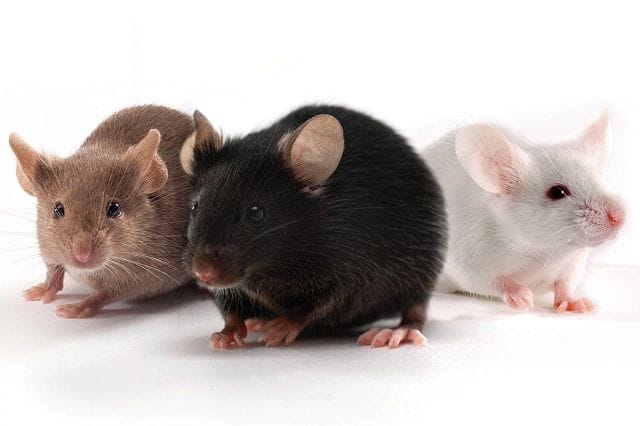
In the 1800s, people in Europe and Japan kept mice of different colors as a hobby, which were called “Fancy Mouse”. Scientists noticed that these mice reproduce quickly and their characteristics can be easily followed from one generation to another. As a result, they became very useful for genetic research.
Later, Gregor Mendel discovered the laws of heredity through his research on plants. His research inspired scientists to test whether the same laws were effective in animals. Mice were ideal for this research because they reproduce quickly and can produce new generations in a short time. As a result, scientists were able to easily observe the inheritance of various characteristics.
At the beginning of the 20th century, William Ernest Castle made an important contribution to genetic research by using mice. Later, Clarence Cook Little revolutionized laboratory mouse research and created the inbred mouse strain. As a result, the test results became more reliable and major advances in cancer research were possible.
The importance of mice and rats in modern medicine and genetic research
Over time, scientists discovered that the genes of humans and mice are about 95 percent similar. This discovery was a breakthrough for medicine. Because it showed that many human diseases can be artificially created in mice and that treatments or drugs for those diseases can be tested on mice. After World War II, with the rapid progress of cancer, vaccines, antibiotics and genetic research, mice and rats became the main experimental animals for research.
Rats also play an important role in research. Rats are larger than mice and their learning ability and behavioral responses are more advanced. For this reason, rats are widely used in brain research, psychology, drug addiction and physiology research. In addition, rats reproduce quickly, can be kept at low cost and their genes can be easily changed, making them ideal model organisms for research.
Currently, rats have made immense contributions to modern medicine, genetics, cancer research, vaccine development and the discovery of new drugs. If scientists had not used rats as model organisms, modern medicine would not have progressed so rapidly. Therefore, it can be said that mice and rats are playing a silent but very important role in the development of human health, and their importance in the world of research will remain intact in the future.
Cancer Research and Vaccine Discovery
Many drugs used to treat cancer, such as Herceptin, have been developed in mice. Mouse models are very useful for understanding how tumors grow and how to prevent them.
From polio to the recent COVID-19 vaccine, mice have been used in every step of the development process. Mouse studies are essential to ensure that vaccines are safe for humans.
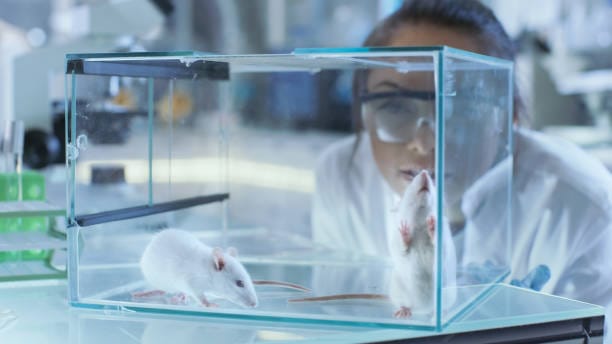
All in all, from humble beginnings as hobbyist “fancy mice” in the 19th century to becoming the cornerstone of modern biomedical research, mice and rats emerged as indispensable model organisms due to their rapid reproduction, low cost, genetic similarity to humans (~95% gene overlap), and critical roles in genetics, cancer therapy, vaccine development, and drug discovery.