
Green Concrete: A Step Towards Sustainable Construction
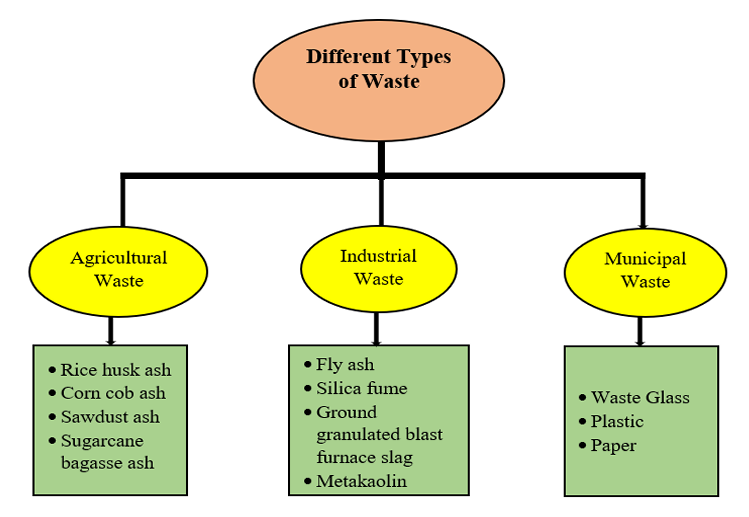
Green is prepared from eco-friendly waste materials that reduce carbon dioxide emissions and the environmental impact. The waste materials used to produce green concrete are fly ash, slag, metakaolin, palm oil fuel ash, silica fume, agricultural waste ash, recycled aggregate, etc.

Concrete is one of the most important innovations in modern civil engineering, and it is the most widely used material in the construction sector. Concrete is the backbone of the infrastructure, including buildings, bridges, dams, RCC roads, etc.
So, what is concrete? Concrete is a mixture of cement, sand, stone chips, water, and additives or admixtures. After the mixing of these ingredients, hydration takes place, and the mixture gradually hardens and gains its strength.
 Ariful Islam
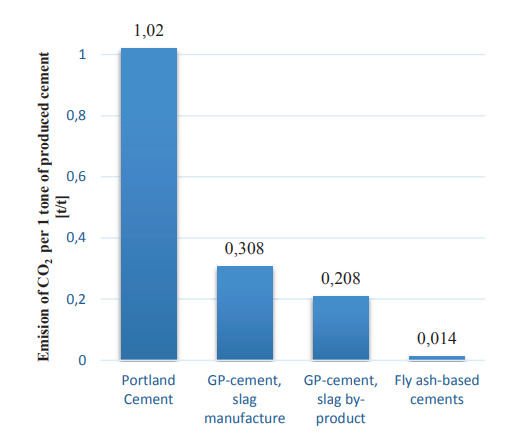
Among these ingredients, cement is the main binding material of the concrete production. But the production of Portland cement is highly energy intensive and responsible for 5-9% of global CO₂ emissions. Due to the environmental concern and to make more durable concrete (that can withstand the harsh environment), the researchers are trying to develop eco-friendly and sustainable concrete that makes less impact on the environment and reduces the carbon footprint as well as reduces global CO₂ emissions. Green concrete emerged as a promising solution due to its lower environmental impact and maintaining overall concrete performance.
The term "green concrete" sounds interesting. It doesn't mean the concrete is green in color but makes it more environmentally friendly. Let's break down the concept of green concrete. I will start with the simple definition of it.
Basically, green is prepared from eco-friendly waste materials that reduce the carbon dioxide emissions and reduce the environmental impact. The waste materials used to produce green concrete are fly ash, slag, metakaolin, palm oil fuel ash, silica fume, agricultural waste ash, recycled aggregate, etc.
So, how is it prepared? The waste ash is mixed with cement as a partial replacement of cement and then combined with recycled aggregate (demolished concrete) or stone, sand, and water, like the normal concrete procedure. It looks like a normal concrete procedure. Isn't it?
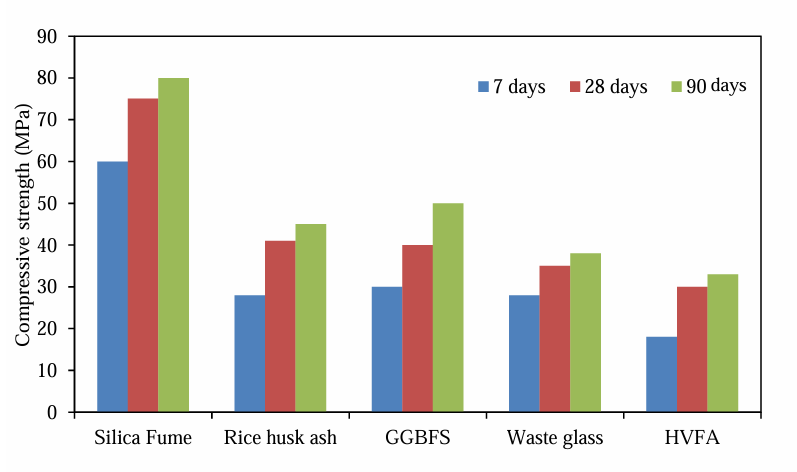
Here is the main twist. We have partially replaced cement with various ashes that were actually discarded. By using this ash in the concrete production, the amount of cement is reduced significantly and automatically decreases the CO₂ emissions to the environment due to the lower amount of cement use. These supplementary cementitious materials (such as fly ash, slag, or other ash partially mixed with cement) enhanced the mechanical (higher load-bearing capacity) and durability properties (ability to withstand harsh environments) of concrete. The use of demolished waste as coarse aggregate reduces the demand on natural aggregate and preserves the natural resources. Green concrete not only reduces waste but also transforms it into valuable construction resources.
Types of green concrete
1. Geopolymer concrete that fully replaced the OPC concrete
2. Recycle aggregate concrete
3. Supplementary cementitious materials in concrete
4. High-strength concrete, etc.
Advantages of Green Concrete:
1. Lower the CO₂ emissions and be environmentally friendly.
2. Reduces water usage up to 20%.
3. Reduction in carbon footprint by about 40-50% during the production process
4. Utilized waste materials that were already discarded.
4. Require less energy to produce green concrete.
5. Provide high strength and long-term durability compared to conventional concrete.
6. Provide better working and reduce heat of hydration.
7. Cost effectiveness compared to OPC concrete.
Though green concrete has emerged as a sustainable construction material, it has some limitations and challenges. These are discussed below.
- Waste material availability like fly ash, slag, silica fume, etc.
- Quality control issue (require proper mix design)
- May produce lower early strength
In general, green concrete represents an important advancement toward sustainable construction methods and provides an effective way to reduce carbon emissions, utilize waste materials, conserve natural resources, and improve the long-term durability of structures.
-Ariful Islam, Bangladesh
Author, Utopia Educators
References:
1. Green concrete
2. Green Concrete- A Review
3. Hashmi, A. F., Khan, M. S., Bilal, M., Shariq, M., & Baqi, A. (2022). Green concrete: an eco-friendly alternative to the OPC concrete. Construction.
4. Błaszczyński, T., & Król, M. (2015). Usage of green concrete technology in civil engineering. Procedia Engineering, 122, 296-301.