
2026 BRICS Macroeconomic Context
Brief introduction, with several good video references

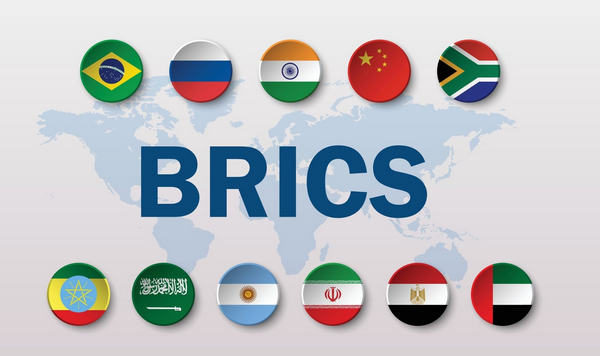
Introduction
As we approach 2026, the BRICS nations—Brazil, Russia, India, China, and South Africa, along with their newly integrated members—stand at a critical economic crossroads. The group continues to evolve from a symbolic coalition into a formidable geopolitical bloc, significantly influencing global trade, finance, and industrial policy. Understanding the macroeconomic landscape of 2026 requires an analysis of intra-bloc trade, the push for de-dollarization, and the divergent growth trajectories of its member states.
Strengthening Intra-Bloc Synergy
By 2026, the expansion of BRICS (often referred to as BRICS+) will have matured. The integration of new economies has created a more complex but resource-rich network. Macroeconomic stability within the group is increasingly driven by bilateral trade agreements that bypass traditional Western financial systems. This shift is not merely political; it is a strategic response to global inflationary pressures and the volatility of the US dollar.
The De-Dollarization Drive and Financial Sovereignty
A defining feature of the 2026 context is the advancement of the "BRICS Pay" system and the increased use of local currencies in cross-border settlements. While a single BRICS currency remains a long-term ambition rather than a short-term reality, the transition toward a multipolar financial system is accelerating. The New Development Bank (NDB) has taken a more central role, providing infrastructure loans that are less dependent on the stringent conditions often associated with the IMF or World Bank.
Divergent Growth and Economic Resilience
The economic outlook for 2026 reveals a "multi-speed" BRICS landscape:
- India: Continues to lead as the fastest-growing major economy, fueled by a massive demographic dividend and a surge in domestic manufacturing.
- China: Focuses on "high-quality growth," pivoting toward green technology and domestic consumption while managing a cooling real estate sector.
- Brazil and South Africa: Face a year of stabilization, balancing commodity export strengths with the need for structural fiscal reforms.
- Russia: Navigates a highly localized economy, focusing on trade pivot points toward Asia and the Middle East.
Key Risks and Challenges
Despite their growing influence, the BRICS nations face significant headwinds in 2026. Geopolitical tensions, disparate national interests within the bloc, and the varying impacts of the global energy transition create a volatile environment. Furthermore, as these nations gain more weight in global GDP, their domestic policy shifts—particularly in China and India—now carry systemic risks for the entire global economy.
Conclusion
The 2026 macroeconomic context for BRICS is defined by a bold pursuit of autonomy. As the bloc carves out a larger share of global trade, its success will depend on its ability to harmonize the competing interests of its diverse members. For investors and policymakers, BRICS is no longer an "emerging" story—it is a central pillar of the global economic architecture.
00:00 Introduction to BRICS Grain Exchange 00:12 Background and Previous Discussions 00:46 The Scale of BRICS Grain Production 01:18 Seven Surprising Benefits of the Exchange 01:36 Creation and Mechanics of the BRICS Agricultural Exchange 03:47 Reduction in Trade Costs and Risks 04:24 Impact on Global Food Prices 05:00 Advantages for BRICS Member Countries 06:13 Strategic Advantages in the Global Food Market 07:50 Internal Price Regulation 08:22 Expansion of BRICS Influence 09:15 Technological Advancements and Future Plans 11:12 European Union's Latest Move and Conclusion
References:
St Petersburg Economic Forum:
youtube.com/watch?v=CvlnI4Yewg0
Putin speaking remotely to 17th BRICS summit:
youtube.com/watch?v=dGF6XGxE-lY
youtube.com/watch?v=C_YJAAtPGfc