
My Undergraduate Thesis: Challenges, Learning, and Growth
Ariful Islam and his journey in high education in Bangladesh defending his thesis of "Mix optimization of one-part and two-part fly ash and slag-based alkali-activated materials'

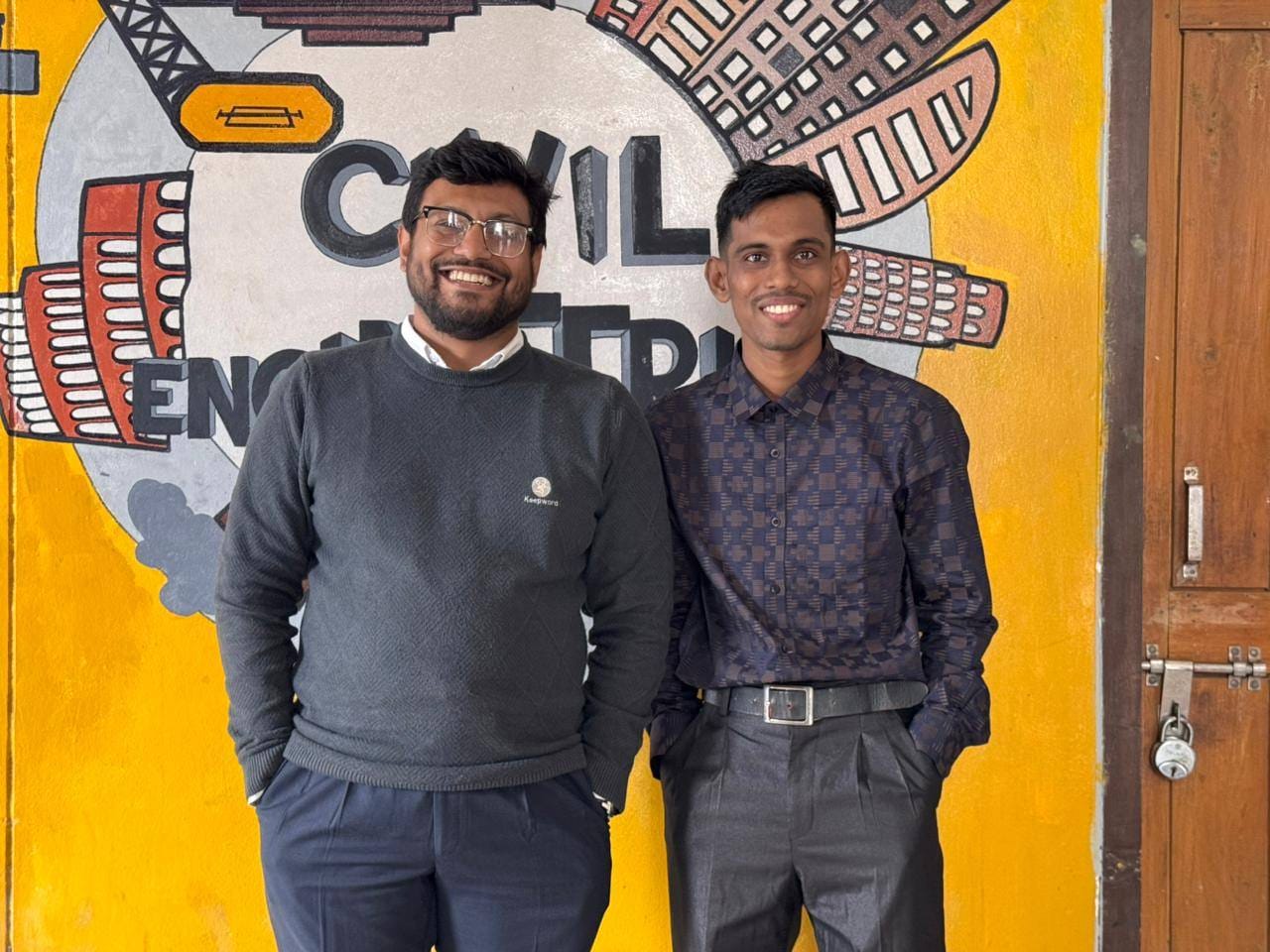
My name is Ariful Islam, an undergraduate student of civil engineering at Gopalganj Science and Technology University, Bangladesh. My undergraduate thesis journey began after the completion of our third-year final examination. Many students had already formed their groups and contacted faculty members regarding supervision. At that time, I was not very aware of the process, and no one had discussed the matter with me.
Later, an official notice was issued outlining the procedure for selecting thesis groups and supervisors. According to the notice, supervisors and research specializations would be assigned based on the CGPA up to the 3-1 semester. I felt relieved and satisfied with this fair decision.
In our batch, we had a close circle of friends, and we arranged a meeting with members of our picnic group to discuss our research interests. During the discussion, everyone shared their preferred engineering fields and supervisors.
Eventually, I was selected for the Structural Engineering group, and my thesis partner was Apurba. At the beginning of our thesis journey, we had a discussion with our supervisor, Md. Jihan Hasan sir. He advised us to read research papers and explore our research interests. He also mentioned that he was particularly interested in working on geopolymer concrete, an emerging and sustainable construction material.
After returning home, I started searching for information about geopolymer concrete and began reading research papers. The topic quickly caught my attention and sparked my curiosity. The following week, my partner and I informed our supervisor that we wanted to conduct our research on geopolymer concrete, and he fully supported our decision.
Then we prepared a research work plan outlining how we would begin the work, the methodology we would follow, and the materials required for the experiments. I collected the necessary chemicals and materials required for preparing geopolymer mixtures. Initially, we started with geopolymer mortar, but we faced several failures due to various technical issues. After discussing the matter with our supervisor, he suggested that we begin with geopolymer paste to better understand the reaction and behavior of the materials.
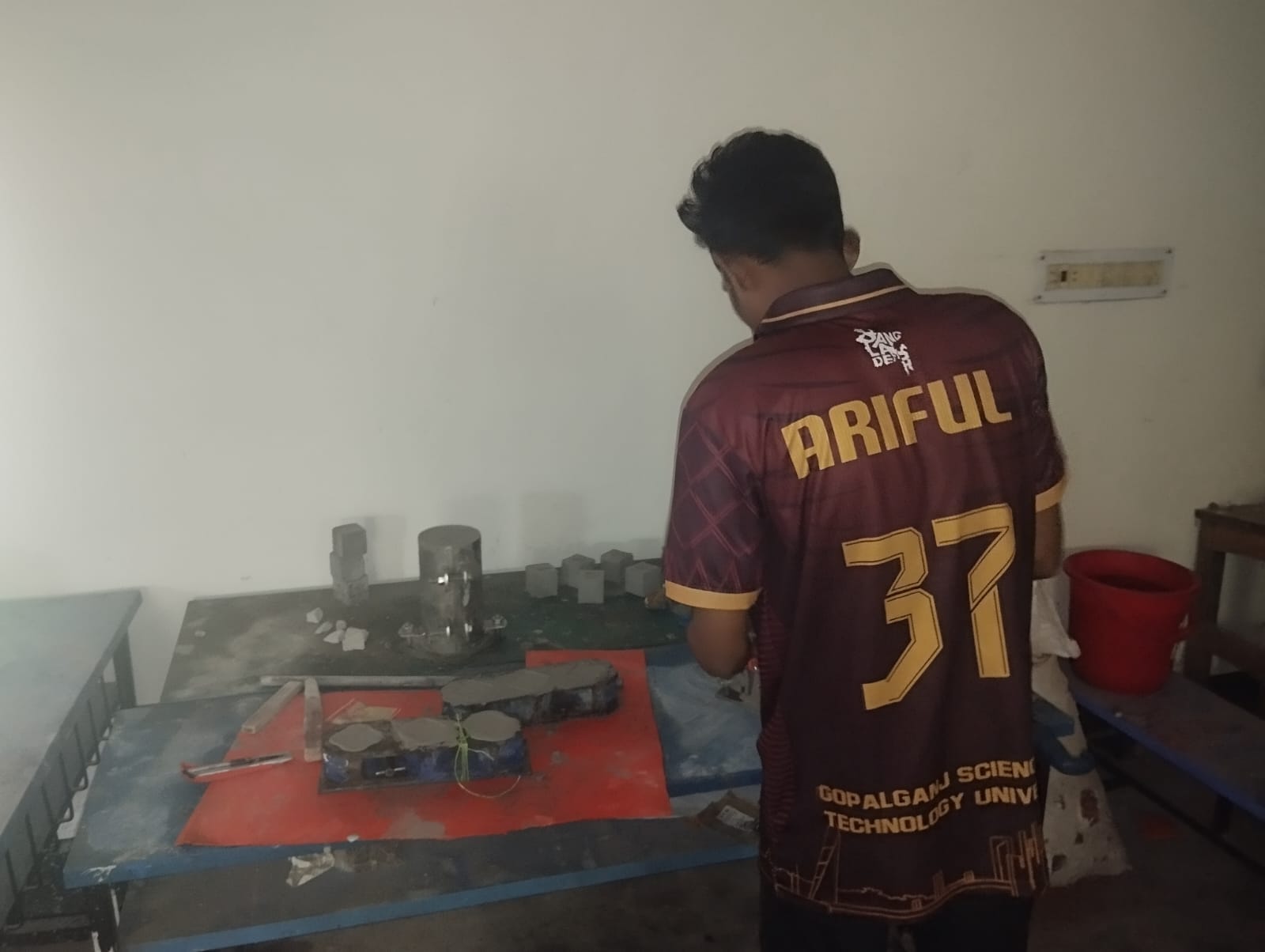
Even then, we did not achieve the required strength at first. We continued studying more research papers to understand how other researchers conducted similar experiments. Based on those insights, we adjusted several parameters, including mix proportions, water-to-binder ratio, activator-to-binder ratio, and superplasticizer content. After numerous trials and adjustments, we finally succeeded in achieving workable and stable mixtures, although the process took considerable time and patience.
Once the paste stage was successful, we proceeded to prepare geopolymer mortar samples. These specimens were then cured under three different curing conditions: water curing, ambient curing, and heat curing. Conducting these experiments and observing the results was one of the most valuable learning experiences of my academic life.
After completing our fourth-year second-semester final examination, we began preparing our thesis manuscript. We spent several days compiling the results, analyzing the data, and writing the thesis book. Our supervisor reviewed the manuscript and provided corrections and valuable feedback, which we carefully incorporated. Most of the chapters were written and organized by me, and the thesis book gradually took its final shape. The titled of our thesis is " Mix optimization of one-part and two-part fly ash and slag-based alkali-activated materials."
After completing all revisions, we printed the final thesis book for our defense presentation. Finally, the day of the thesis defense arrived. Our presentation slot was scheduled for 11:00 AM. Although I felt a little nervous, I was also confident about the work we had done. The defense session was a completely new and memorable experience for me.
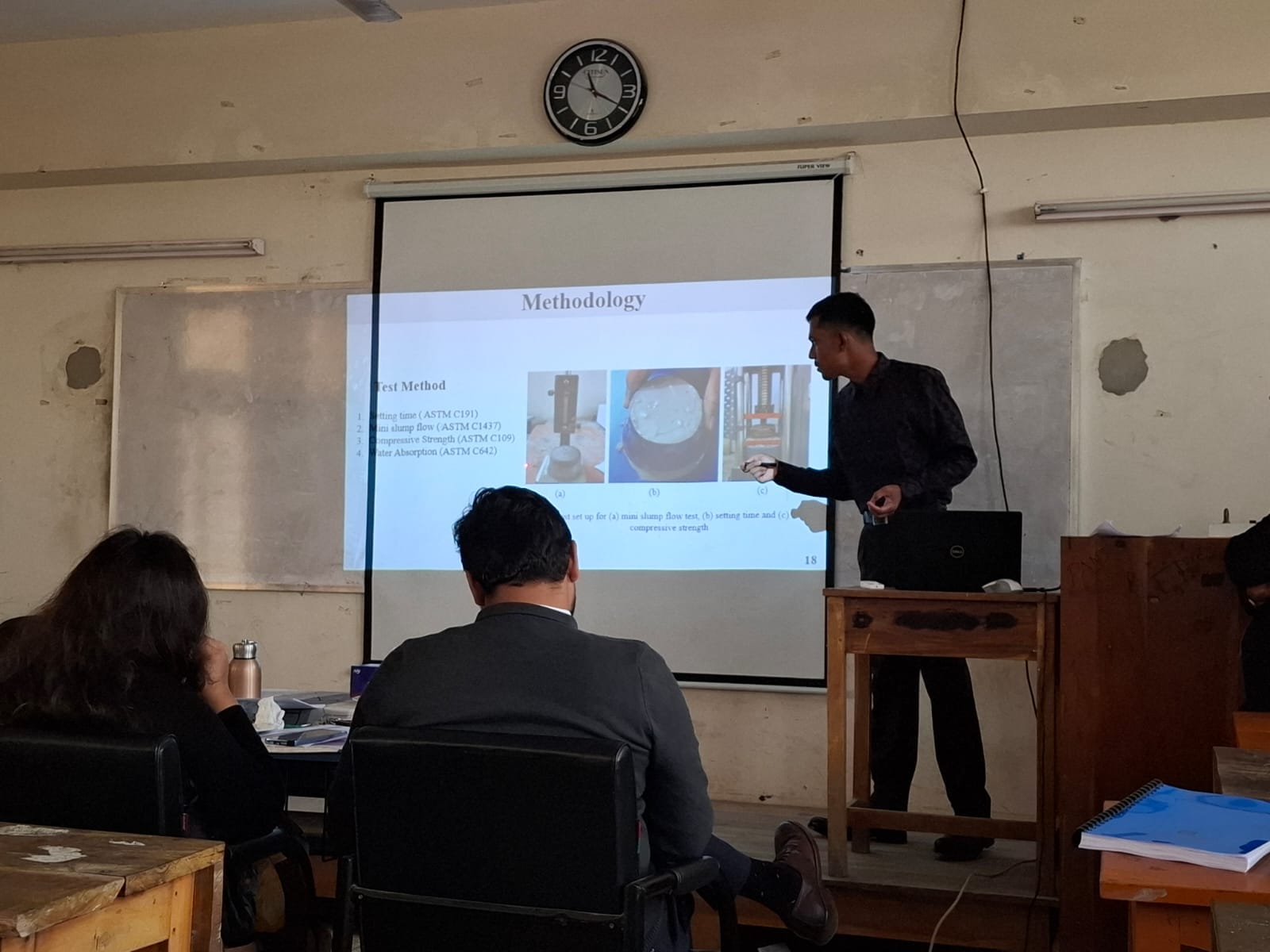
Looking back, the journey of my undergraduate thesis was not only about completing a research project but also about overcoming challenges, learning research methodologies, and developing patience and perseverance. It taught me how scientific research works, how to solve problems through experimentation, and how teamwork and guidance from mentors play an essential role in academic growth.
This journey will remain one of the most valuable learning experiences of my undergraduate life.
-Ariful Islam
Bangladesh