Nature Against Cancer: A Computational Approach
Can nature cure cancer? The short answer is yes. Find out how in this science backed knowledge hub.

Cancer, the disease that everyone is familiar with! Yet, a definitive cure for the condition remains elusive. Due to the intricacy of underlying mechanisms of different types of cancers and current diagnostic shortcomings, it is difficult to detect cancer early and eliminating the disease remains one of the toughest challenges for modern medicine. Acute myeloid leukemia (AML), an aggressive form of blood cancer is mostly found among older adults accounting for 33% of all cases of leukemia. It is uncommon in people under the age of 45 to be diagnosed with this condition with the average age of first diagnosis being 69.
 Naim Uddin Forhad
AML is a challenging hematological (blood related) malignancy that is difficult to treat due to mutations in multiple genes. One such mutation, FLT3-ITD (FMS like Tyrosine Kinase 3 Internal Tandem Duplication) drives uncontrolled proliferation of blood cells that lead to poor future outcomes. This mutation is found in approximately 30% of AML patients. FLT3 gene product is essentially a cell surface receptor that is found almost exclusively on hematopoietic progenitor cells that ultimately produce blood cells. Activation of FLT3 governs to cell survival, proliferation, and differentiation which produce mature blood cells like red blood cell, white blood cell, and monocytes.
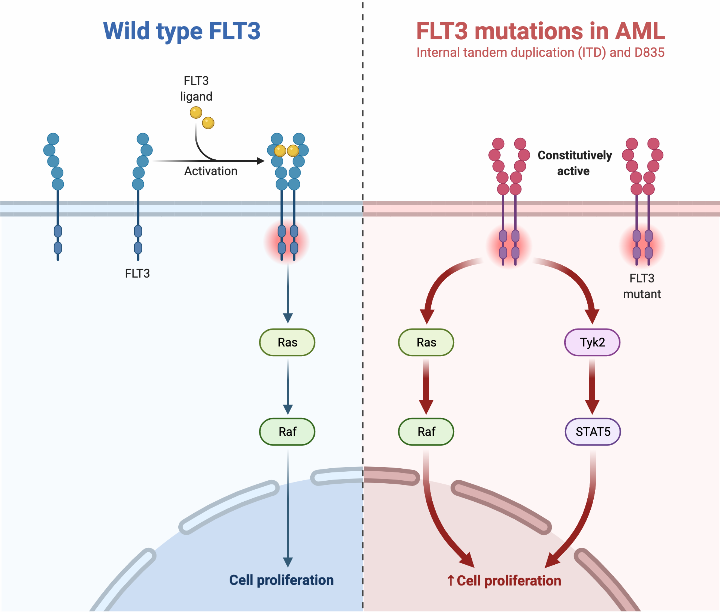
Current treatment strategies for AML often rely on FLT3 receptor inhibitors with giltertinib and midostaurin being the drugs of choice. Although these drugs have improved survival, they have significant side effects which can potentially lead to impaired heart function and drug resistance. These fundamental flaws necessitate an urgent need for safer and more effective alternatives.
It is very difficult to develop a drug from scratch. Designing a custom novel compound from the ground up (de novo drug design) requires massive investment and years of testing. However, all hope is not lost. Why reinvent the wheel if what we are looking for is already around us? What if we turned the table and sought help from one of our biggest allies since the dawn of mankind to fight the disease?
Natural compounds are utilized as a means of fighting disease for millennia. From traditional Chinese medicine to herbal medicine, nature has provided solutions not only to the most common ailments around us but also for some of the most difficult to treat conditions. Artemisia annua for example is used to treat malaria caused by Plasmodium falciparum, the deadliest species of malarial parasite. Azadirachta indica has anti-inflammatory properties and is widely used to treat conditions like stomach upset, constipation and ulcer in the south Asian region.
Thanks to the rich history of humans benefiting from nature, we turned our eyes to what’s around us in search of a compound that can potentially block FLT3 receptor with a superior safety profile with better efficacy.
Combining modern tools In our search, we used computational techniques to screen a large number of natural compounds to find suitable candidates which were subsequently subjected to rigorous scrutiny to find a potential lead drug.
In modern drug discovery, the ability to rapidly filter vast libraries of compounds using computational methods has revolutionized the field. It accelerated the process of drug discovery and made it possible to test thousands of compounds within a very short timeframe.
In our study we created a curated library of almost 3,000 (2,792) compounds from 19 well known medicinal plants. Then we retrieved the crystal 3D structure of FLT3 receptor from Protein Data Bank (PDB ID: 6JQR) and initially utilized a blind docking approach to find suitable compounds that has high binding affinities for the said receptor.
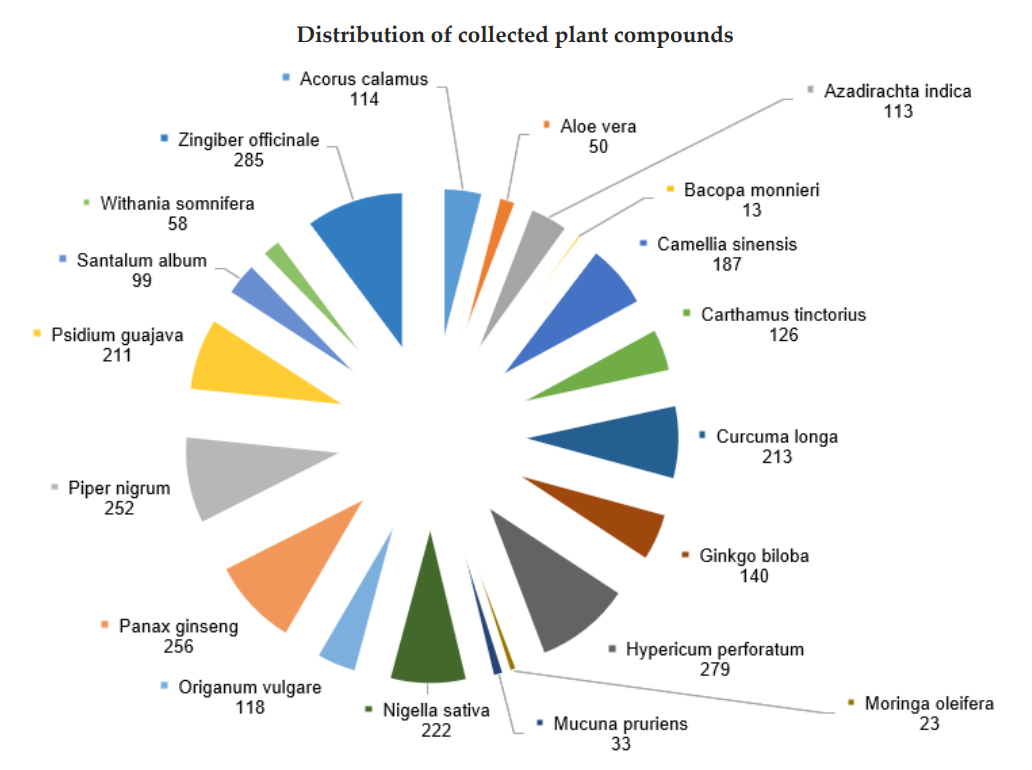
Initial screening revealed 15 compounds that exhibited superior binding energies than the standard drug in use today, giltertinib. To ensure safety and efficacy, we subjected the top hits to ADMET profiling. ADMET stands for absorption, distribution, metabolism, excretion and toxicity. It acts as a measure of whether the compound in question has suitable properties for human use.
While current drugs of choice (including giltertinib and midostaurin) are plagued with various potentially fatal adverse effects, two of our lead compounds–Asperglaucide and 17 beta hydroxywithanolide K – have highly favorable safety profiles. Neither of them showed predicted hepatotoxicity, carcinogenicity (the ability to cause cancer) or mutagenicity (cause change in the DNA which can lead to cancer or other diseases and detrimental effects). Moreover, an ideal drug compound will have excellent absorption in the intestines and have high bioavailability (bioavailability is the fraction of drug that actually reaches bloodstream; for example drug injected directly in the vein has 100% bioavailability because the entire drug is directly pushed to the bloodstream). Thankfully, both of our lead candidates demonstrated predicted high absorption in the intestines and high bioavailability in blood.
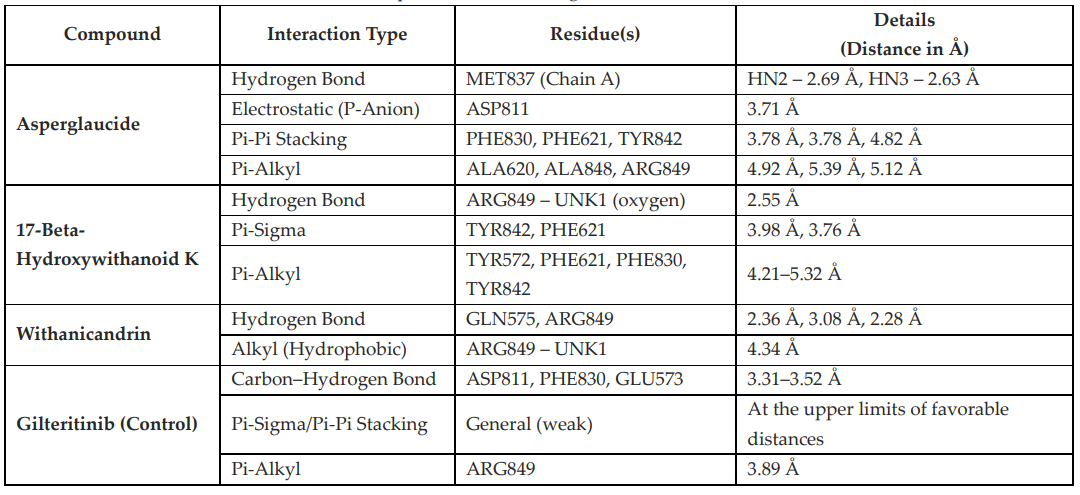
Following the ADMET analysis, to further validate our findings, we subjected the most promising candidates to 100 nanosecond molecular dynamics (MD) simulations to predict the compound-FLT3 binding in real time. Simply put, MD simulation allows us to predict and visualize activity of a specific compound against its target (in our case FLT3) under physiological conditions mimicking the internal environment of the human body using computational tools and techniques. In the simulation we analyzed root mean square deviation (RMSD), root mean square fluctuation (RMSF), hydrogen bonding, solvent accessible surface area (SASA). In simple terms, these metrics tell us the suitability of our test
compounds as viable drugs and if they can outperform the existing AML drugs.
After filtering through MD simulations, three emerged as potential lead candidates:
- Withanicandrin (from Psidium guajava): It had the strongest binding affinity at -10.9kcal/mol.
- 17 beta hydroxywithanolide K (from Psidium guajava): Showed a binding affinity of-10.1 kcal/mol.
- Asperglaucide (from Moringa oleifera): Had a binding affinity of-9.4 kcal/mol.
It’s worth mentioning that giltertinib has a binding affinity of -9.1 kcal/mol against FLT3.
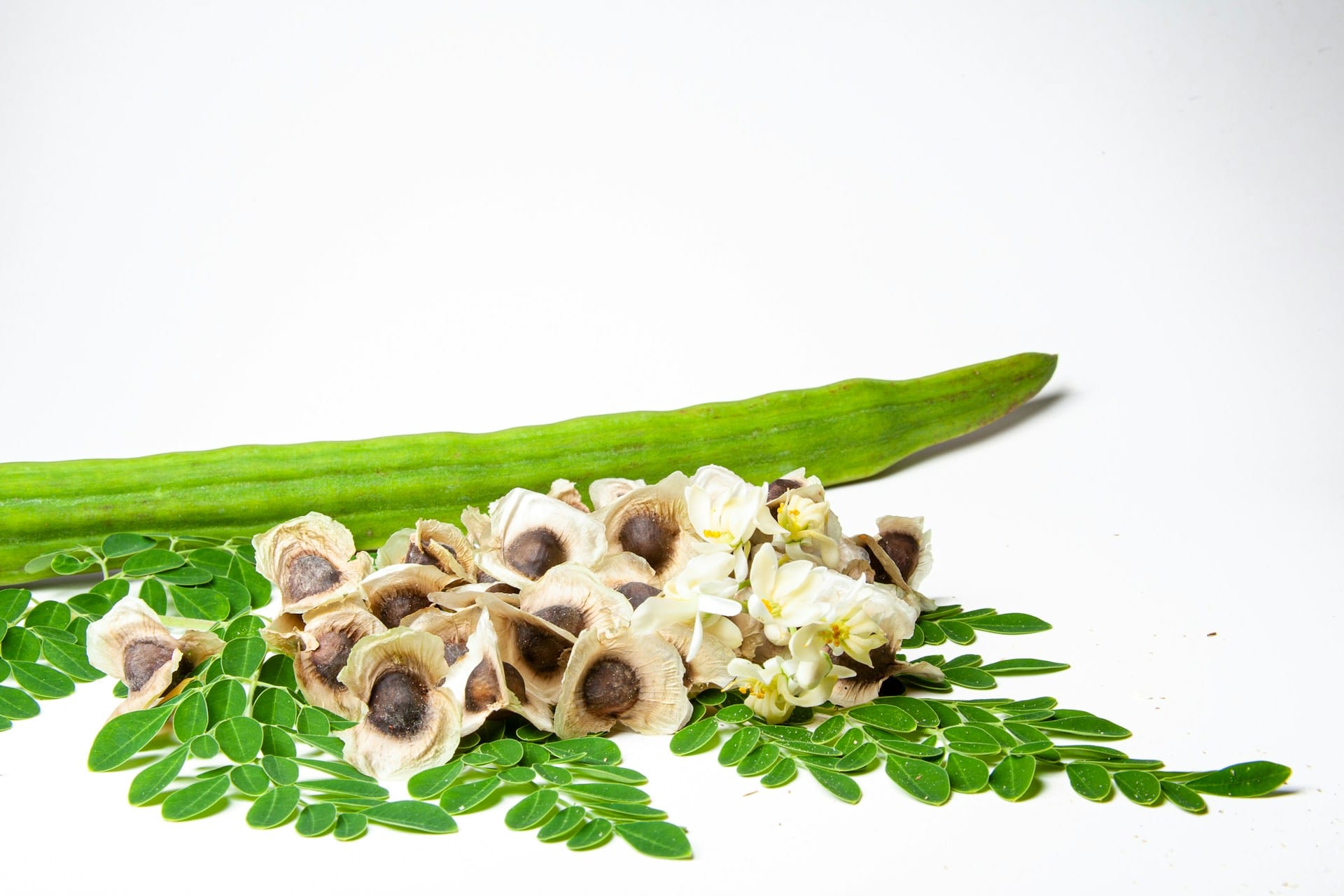
We found compelling evidence that nature do hold potent answers to the problems of drug resistance and adverse effects in AML treatment. Asperglaucide in particular from moringa oleifera (uh oh, yah this is the same moringa plant you walk past every day on your way to office!!) represents a very promising lead compound. It combines superior binding affinity against FLT3 receptor, excellent structural stability and a superb toxicity profile overcoming the three main pitfalls of currently marketed drugs.
While these results are promising, they are not conclusive as further testing is needed to verify our findings. This study however underscores the power nature holds within and how we have been overlooking this power of nature all along. It serves as a reminder to us all that keys to good health and potent medicines are closer than we think, if only we widen our views and look around.
The journey to develop a therapy is a long journey. We hope our research will someday pave the way for a safer, more effective alternative to currently available chemotherapeutic agents.
Thanks for reading. If you enjoyed this post please hit the like button on our social media pages. Don’t forget to subscribe to our newsletter where we deliver cutting edge knowledge on recent advancements in science, technology, economics, and sociology right into the inbox of hundreds of thousands like you – completely free.
The nerds who are curious about the actual scientific study, click here.
Learn more about the magical program that dictates our body features:
 Naim Uddin Forhad